
Core Teamwork Mechanics
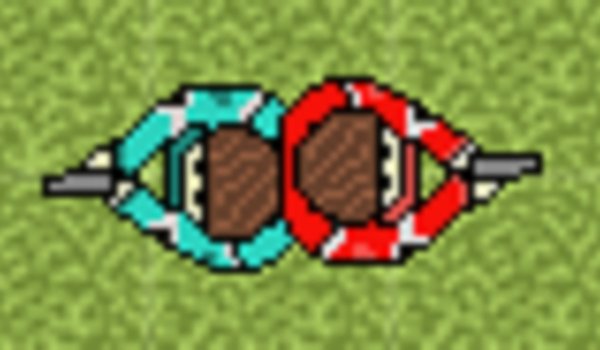
This game is built around two players working together in real time. Each person controls their own character, and many obstacles require both players to act simultaneously. For example, one player might need to hold a switch while the other crosses a bridge. The game rewards clear communication and careful planning rather than speed or reflexes.
Urban Exploration
The setting is a city at night, with streets, alleys, and buildings to explore. Each location contains clues and items that help the team move forward. The environment is designed to encourage curiosity, with hidden corners and optional areas that contain helpful resources. Players learn to read the surroundings and share observations with their partner.
Puzzle Variety
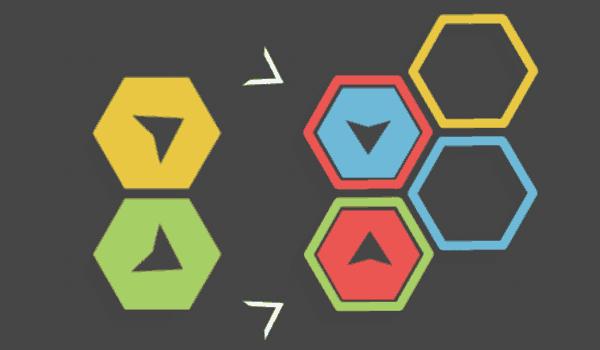
Puzzles range from simple pattern recognition to more complex logic challenges that require both players to coordinate their actions. Some puzzles involve matching symbols, while others require timing or memory. The difficulty increases gradually, allowing players to build confidence as they progress. Each puzzle feels connected to the story and setting.
Family-Friendly Atmosphere
The game maintains a tone of gentle suspense without graphic or frightening content. Shadows and dim lighting create a mood of mystery, but nothing is designed to scare or disturb younger players. The focus stays on problem-solving and cooperation, making it suitable for siblings, friends, or parent-child pairs.
Accessible Controls
Each player uses a keyboard and mouse or a controller, depending on the setup. Movement and interaction are mapped to simple keys, and the game includes a pause function. Special actions like running or hiding are available but easy to learn. The control scheme is consistent throughout, so players can focus on the puzzles rather than remembering complex commands.


Comments
0 comments