
Reviews
Digit Deduction Number Puzzle delivers exactly what its name promises: a focused number guessing challenge built on deductive logic. The color-coded feedback system is intuitive, turning each guess into a learning opportunity. The retro pixel visuals add charm without distracting from the core puzzle. There is no fluff, no timers, and no unnecessary complexity. This game respects the player's time and intelligence. It is a perfect choice for anyone who enjoys mental exercises that feel rewarding rather than frustrating.
About this game
Core Gameplay Loop
At its heart, Digit Deduction Number Puzzle revolves around a simple but engaging process. Players input a multi-digit sequence and receive color-based signals for each digit. A neutral tone indicates the digit does not appear in the solution. A warm tone means the digit is present but placed incorrectly. A cool tone confirms both the digit and its position are accurate. This feedback loop encourages methodical thinking and pattern recognition.
Visual Style and Atmosphere
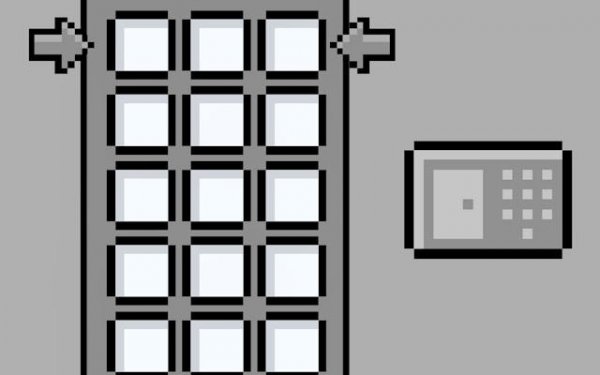
The game adopts a pixel art aesthetic that evokes classic computer interfaces. This retro look is not just cosmetic—it reinforces the straightforward, no-frills nature of the experience. The color palette is carefully chosen to make the feedback signals immediately distinguishable, even during fast play. The overall presentation feels clean and uncluttered, allowing the logic challenge to remain the central focus.
Progression and Difficulty Curve
While the input does not specify exact levels, the nature of the genre suggests that sequences may increase in length or complexity as players improve. Early puzzles might use shorter codes with fewer digits, while later ones could involve longer sequences or more subtle patterns. This natural progression keeps the experience fresh without introducing unnecessary mechanics. Players who enjoy incremental challenges will find plenty to engage with.
Player Feedback and Iteration
One of the strengths of Digit Deduction Number Puzzle is how it teaches players to think systematically. Each guess provides concrete data, and the game never penalizes incorrect attempts. This encourages experimentation and learning from mistakes. Over time, players develop strategies for prioritizing which digits to test and how to interpret partial information. The satisfaction comes from seeing the solution emerge through careful deduction.
Session Flexibility
The game is designed to fit into various schedules. A single puzzle can be solved in a few minutes, making it ideal for short breaks. Alternatively, players can tackle multiple puzzles in a longer session. There are no timers or pressure mechanics, so the pace is entirely up to the player. This flexibility makes it accessible to both casual players and those seeking a more focused mental workout.
Compatibility
✅ This game supports:
- Desktop browsers (Chrome, Edge, Safari)
- Mobile browsers (Chrome on Android, Safari on iOS)
❌ Does NOT support: - Internet Explorer - Very old browser versions
👉 Try refreshing or updating your browser
Advertisement
Faq
Is Digit Deduction Number Puzzle available on mobile devices?
The game is designed to work in standard web browsers, and its simple interface typically adapts well to touchscreens. While not explicitly stated, many similar browser-based puzzles function on smartphones and tablets without issues. Check the game's website for specific device compatibility.
Does the game include any time limits or scoring systems?
No, the game does not use timers or scoring mechanics. The focus is entirely on logical deduction without pressure. Players can take as long as they need to consider each guess. This makes it a relaxing experience suitable for all ages and skill levels.
Can I play Digit Deduction Number Puzzle offline?
As a free online game, it requires an internet connection to load in a browser. There is no indication of an offline mode or downloadable version. For offline play, consider similar logic puzzles available as mobile apps or in print.
How many digits are in each puzzle code?
The exact number of digits is not specified, but based on typical puzzles of this type, codes often range from three to five digits. The game may adjust the length based on difficulty or player progression. Each puzzle presents a new sequence to solve.
Is there any hint system if I get stuck?
The input does not mention a hint feature. The game relies on the feedback from each guess to guide players. If you feel stuck, try using a guess with all different digits to gather more information. The process of elimination is the primary tool.
Are there different difficulty levels or modes?
The game likely offers a single mode with increasing complexity as you solve more puzzles. Without specific details, it is reasonable to expect that later puzzles become more challenging, possibly with longer codes or more subtle patterns. This keeps the gameplay engaging over time.


Comments
0 comments