Reviews
Tic-Tac-What? adds meaningful strategy to a familiar game. The different shape abilities require you to think ahead and adapt. Each match is short but offers good replay value as you learn to use each shape effectively. The clean design and easy controls make it accessible for all ages. A solid choice for puzzle fans looking for a quick mental workout.
About this game
Game Introduction
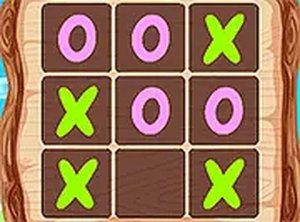
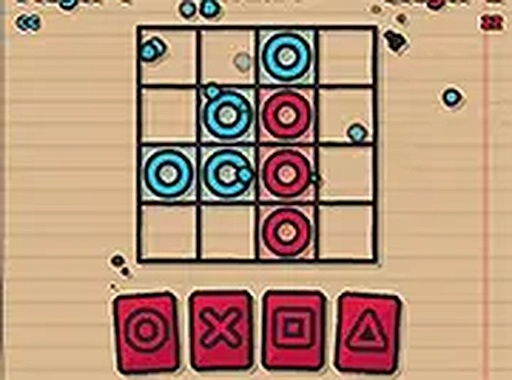
Tic-Tac-What? Online Puzzle Game is a fresh take on the classic tic-tac-toe formula, blending strategy and puzzle elements into a free online experience. Instead of traditional circles and crosses, players choose from colorful shapes, each with its own special ability—such as extra lives or diagonal attacks. The core objective is to line up three of your shapes in a row, column, or diagonal, while using your shapes' unique powers to outmaneuver your opponent. This game challenges your planning and logic skills, making it perfect for fans of thinking games. Its vibrant design and unique rules breathe new life into a timeless favorite, offering a strategic experience for players of all ages.
How to Play
Players are distinguished by color, not shape. After you place a shape on the grid, your opponent can attack using their shape's special movement. Circles are great for defense because they have two lives. Crosses strike diagonally. Squares move vertically and horizontally. Triangles attack forward and rotate clockwise, starting in any direction. Your goal is to outsmart your opponent by placing shapes that block their attacks while building your own line of three. The game is designed for desktop play using a keyboard or mouse, and you can switch to full screen mode for a more immersive experience.
Game Features
Unique shapes each have a special ability, such as extra lives or diagonal attacks. Strategic gameplay requires careful planning and anticipation. Colorful design makes the game visually appealing. Free to play online with no downloads needed. Full screen mode available for desktop users.
Tips for Success
Focus on learning each shape's ability and how it interacts with others. Plan your placements to block your opponent's potential lines while building your own. Use defensive shapes like circles to protect key positions. Practice regularly to improve your anticipation and strategic thinking. Pay attention to the grid and think a few moves ahead to gain an advantage.
✅ Compatibility & Testing
• Desktop (Windows 11, macOS Ventura)
• Mobile (iPhone 14, Samsung Galaxy S23)
• Tablet (iPad Pro, Android tablet)
✅Supported browsers: Chrome, Safari, Edge, Firefox (latest versions)
❌ Not supported: Internet Explorer, older browser versions
Advertisement
Faq
Is Tic-Tac-What? free to play?
Yes, the game is free to play online. There are no downloads or purchases required to enjoy the full experience. You can start playing directly in your browser.
Can I play Tic-Tac-What? on my mobile device?
The game is designed for desktop play using a keyboard or mouse. It may not be fully optimized for mobile devices, so for the best experience, we recommend playing on a computer.
How many shapes are available in the game?
The game includes several unique shapes, each with its own special ability. The specific number may vary, but players can choose from shapes like circles, crosses, squares, and triangles, each offering different strategic options.
Do I need to create an account to play?
No account is required to play Tic-Tac-What?. You can jump into the game immediately without any registration or login process.
Is there a single-player mode against a computer?
The game is described as a two-player experience, but some versions of this type may include a single-player option. Check the game interface for available modes.
What happens if I refresh the page during a match?
Refreshing the page may reset the current match, as the game is played online without saving progress mid-game. It is best to finish your match before leaving the page.