
Core Concept
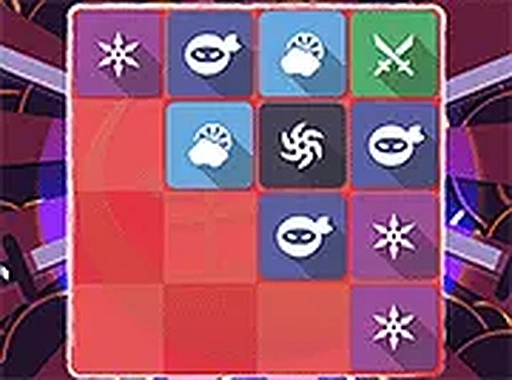
Digit Fusion Grid Puzzle presents a straightforward objective: place numbered items onto a grid so that matching values come together. When two tiles with the same number touch, they merge into a single tile with a higher value. The challenge lies in managing space and timing, as each placement affects future possibilities. Unlike static puzzles, this game introduces a layer of physical placement, requiring you to aim and drop each piece accurately.
Placement Mechanics
Instead of swiping an entire board, you control where each new number appears by positioning it from above. This adds a spatial reasoning element, as you must consider not only which numbers to combine but also where to set them for optimal merging later. The grid fills gradually, and poor placement can block potential matches. Success depends on thinking several moves ahead while reacting to the current layout.
Difficulty Progression
Early rounds allow for relaxed experimentation, but as the board becomes more crowded, the pace increases. New numbers appear more frequently, and the grid offers less room for error. This gradual ramp-up keeps the experience engaging without overwhelming new players. The game does not rely on random chance; every outcome follows from your choices, making each session a test of logical planning.
Visual and Technical Design
The interface uses clean, high-contrast numbers on a simple grid, ensuring clarity even on small screens. Full-screen mode is available for desktop users, and the game runs smoothly on both mobile and desktop browsers without any downloads. The design avoids distracting animations, letting you focus on the puzzle itself. Sound effects are minimal, keeping the experience suitable for quiet environments.
Family-Friendly Appeal
With no violent or mature content, this game fits well into family gaming sessions. Children can practice basic arithmetic and pattern recognition, while adults enjoy the strategic depth. The lack of time pressure in early stages makes it accessible to younger players, though later levels require faster thinking. It works equally well as a quick mental break or a longer concentration exercise.



Comments
0 comments