
Little Grower Stand Keeper
Reviews
Little Grower Stand Keeper succeeds where many kids' games fail: it teaches real skills without feeling like homework. The farm-to-stand loop is satisfying, and watching customers react to your products creates genuine motivation. Upgrades come at a steady pace, keeping interest alive. The lack of timers or penalties means children can experiment freely. This is a thoughtful, well-crafted simulation that respects its young audience.
About this game
From Seed to Shelf
Players begin with a small patch of soil and a few seed packets. Choosing what to plant starts each cycle. Crops grow in real time, requiring regular watering and care. Once ready, each fruit or vegetable is harvested by hand. The next step involves a simple kitchen where raw ingredients transform into drinks, baked items, or light snacks. This process teaches cause and effect: apples become juice, berries turn into jam. Every product comes directly from what the player decided to grow.
Running the Market Booth
After preparing goods, players open their stand for business. Shelves need stocking, prices must be set, and customers expect a friendly greeting. Each visitor has preferences. Some like sweet treats, others prefer fresh juice. Listening to their comments helps decide what to make next. Happy customers return and tell others. The stand grows busier as the player's reputation improves. This system encourages attention to detail without feeling rushed.
Growing the Operation
Profit from sales funds upgrades. A larger kitchen allows more complex recipes. Better tools speed up farming tasks. New shelf space means more products can be displayed at once. Players decide which improvements matter most. Expanding too quickly without enough ingredients leads to empty shelves. Smart planning keeps the stand running smoothly. The game rewards careful thinking over fast action.
Learning Through Play
This title introduces basic economic ideas in a gentle way. Supply and demand appear naturally when a popular item sells out. Budgeting happens each time a player chooses between seeds and a new oven. Time management matters because crops grow on a schedule. These concepts are presented through gameplay, not lectures. The friendly art style and lack of pressure make it suitable for children who prefer building at their own pace.
Visual Style and Atmosphere
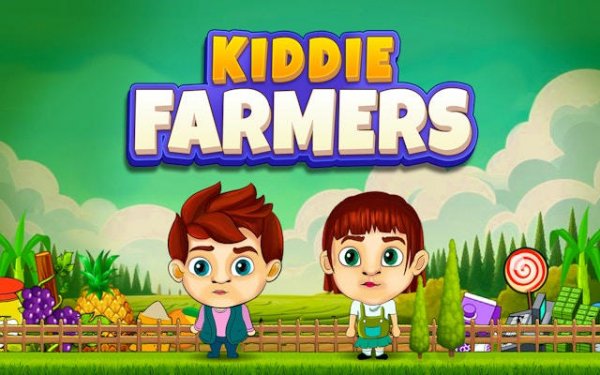
Bright colors and simple shapes define the world. Characters have round, expressive faces. The farm changes with the seasons, showing different crops and decorations. Background music stays cheerful and calm. Sound effects for planting, cooking, and selling add satisfaction without being loud. The overall feeling is one of gentle progress. Nothing in the environment pushes the player to hurry. This design supports focused, relaxed sessions.









Comments
0 comments